




Nicht nur auf der Straße. Auch beim New Church Summit 2026
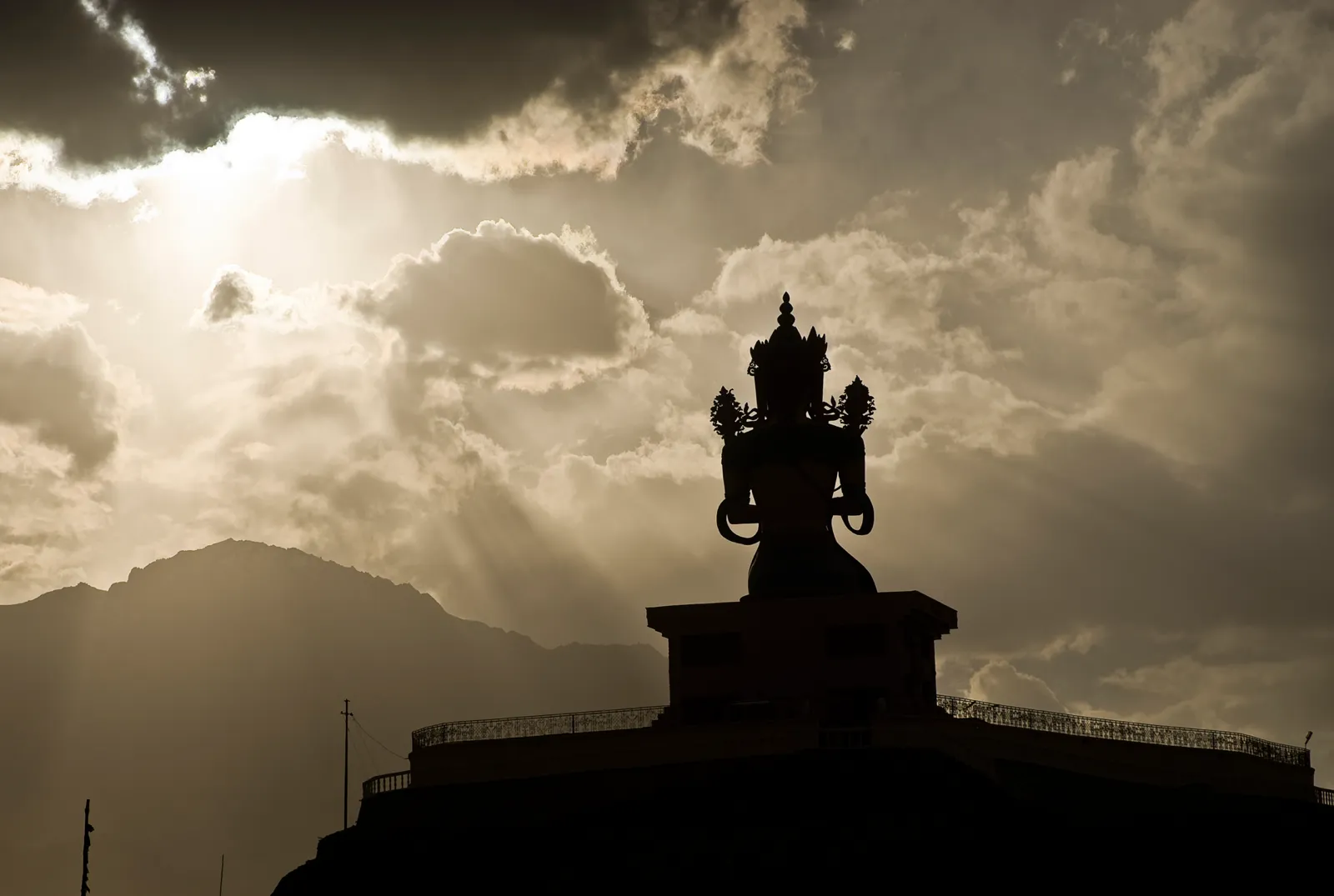
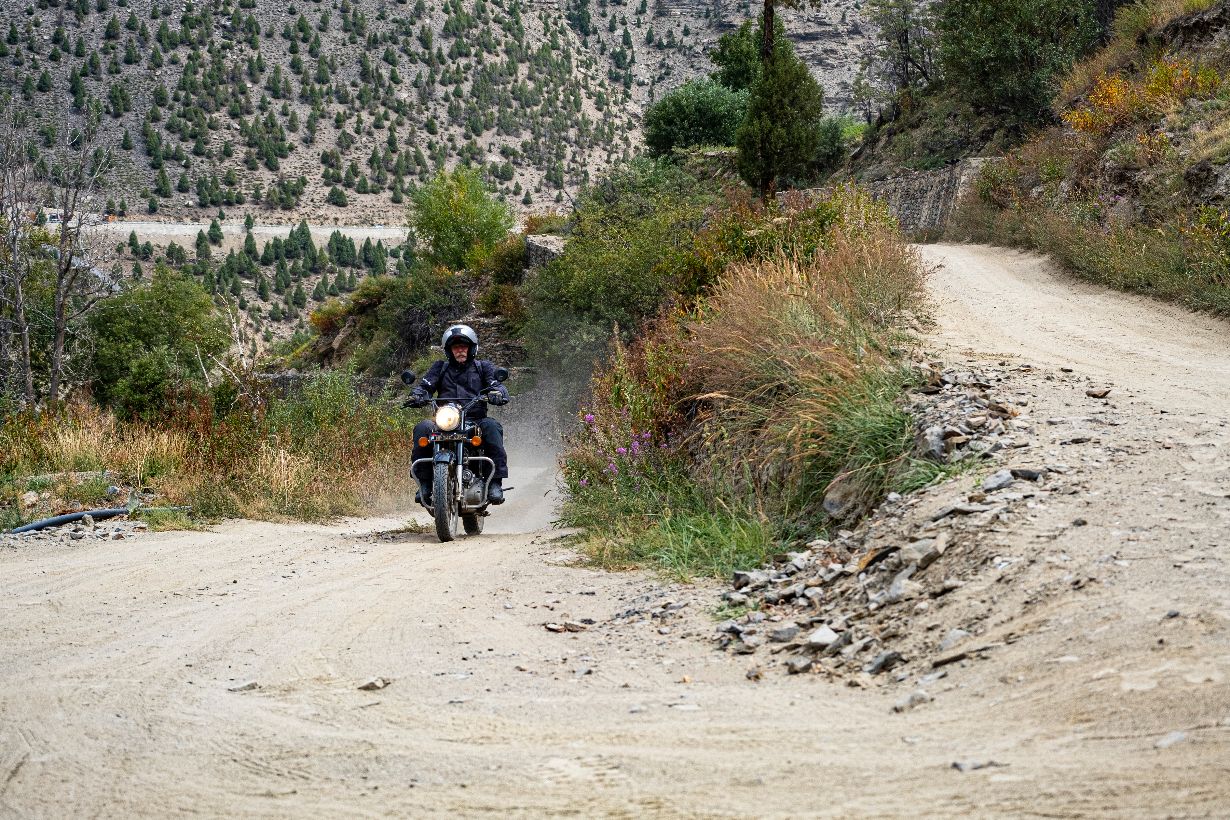
Diese spektakuläre Motorradreise durch den Westhimalaya führt von den grünen Tälern des Kangra und Kullu über das abgelegene Zanskar-Tal bis ins kulturell reiche Ladakh. Mit Highlights wie dem Rohtang-Tunnel, dem Industal, uralten Klöstern in Alchi und Lamayuru und Abenteuern auf über 5.000 Metern verbindet diese Tour atemberaubende Natur, tiefe Einblicke in die tibetisch-buddhistische Kultur und echtes Fahrvergnügen. Ein episches Himalaya-Abenteuer mit unvergesslichen Eindrücken!
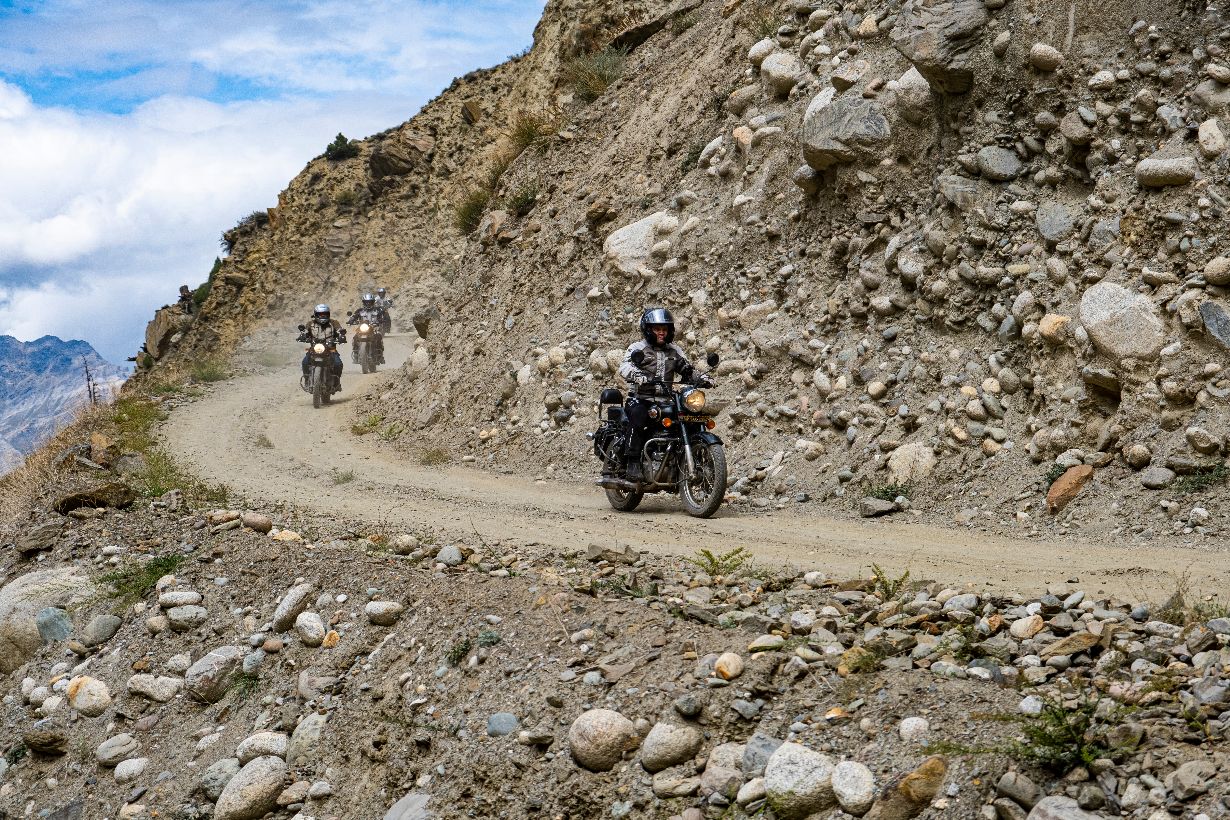
Diese 14-tägige Reise ist ein neu interpretierter Klassiker durch das buddhistische Hochland Ladakhs – mit spektakulären Hochgebirgspässen, abgelegenen Tälern und versteckten Klöstern. Von Leh über Zanskar bis zum Pangong-See führt die Route über mehrere 5.000-Meter-Pässe und hinauf zum Umling La, der höchsten befahrbaren Straße der Welt. Je nach Bedingungen ist sogar eine Weiterfahrt Richtung Mig La möglich – ein außergewöhnliches Abenteuer im Grenzland des Himalaya.
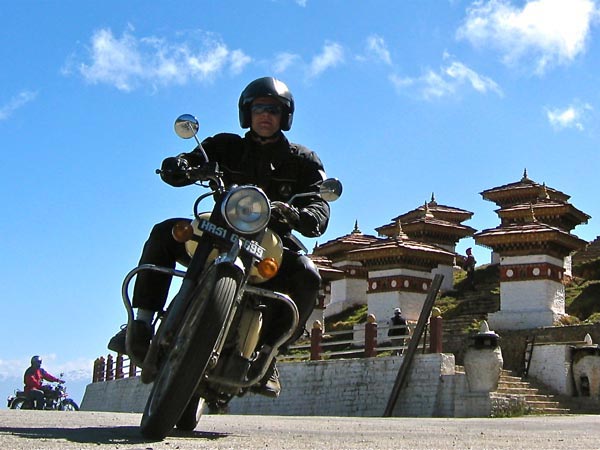
Spektakuläre Bergstraßen, spirituelle Orte wie das Tigernest-Kloster und das einzigartige Konzept des Bruttonationalglücks prägen diese 11-tägige Motorradreise durch Bhutan. Eine einzigartige Reise durch das geheimnisvolle „Land des Donnerdrachens“.
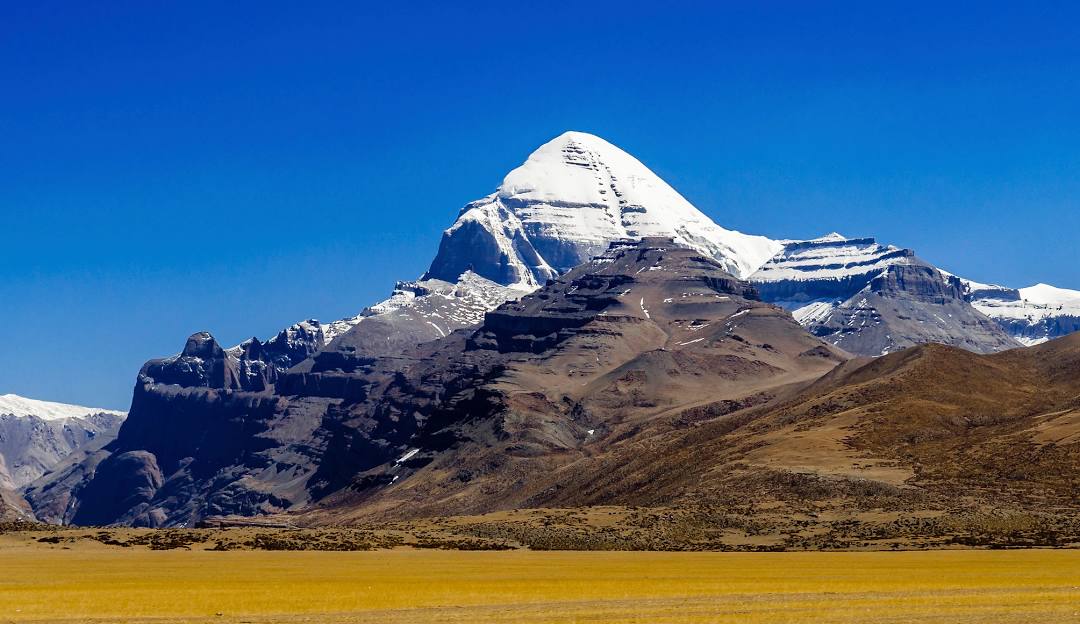
Unsere Tour „Himalaya-Durchquerung“ vereint spirituelle Tiefe und Naturwunder: Von Lhasa über das Everest-Basislager und den heiligen Kailash bis zum Manasarovar-See – erleben Sie Tibet in seiner eindrucksvollsten Form. Ein unvergessliches Abenteuer!
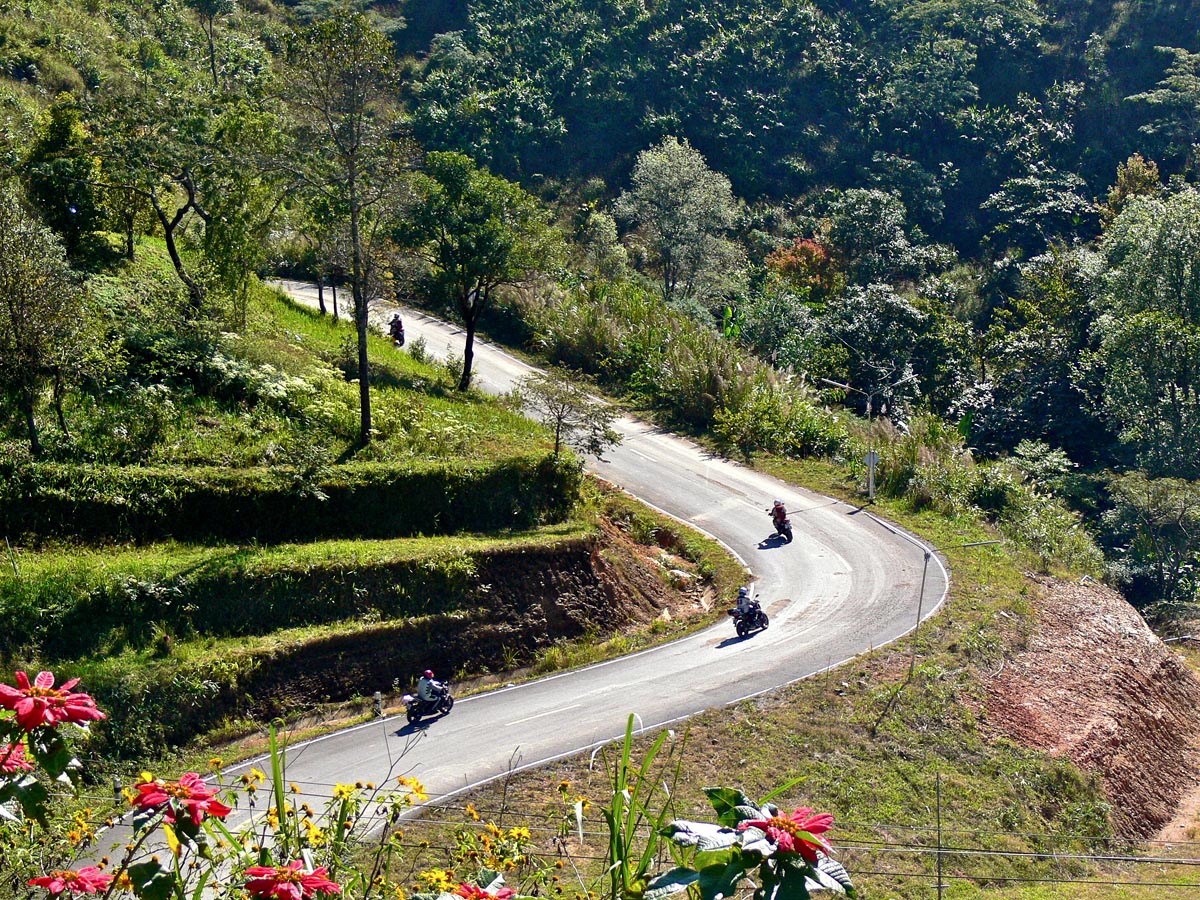
Erlebe Nordthailand auf zwei Rädern – kurvenreiche Traumstraßen, kulturelle Highlights und atemberaubende Natur. Von Chiang Mai bis zum Doi Inthanon: Diese Tour vereint Abenteuer, Genuss und unvergessliche Ausblicke!
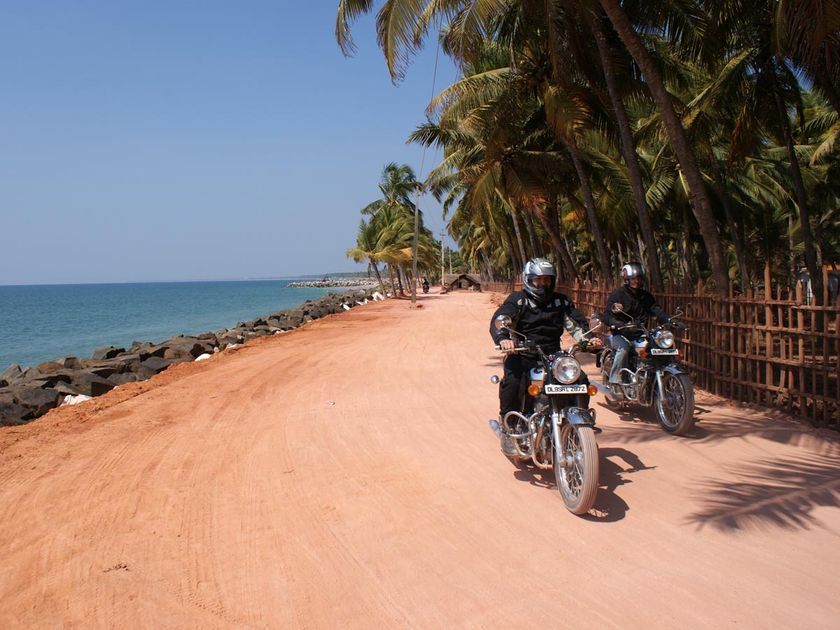
Diese Südindien-Motorradreise führt durch Tamil Nadu und Kerala – mit Tempeln, Tigern, Teehügeln, den berühmten Backwaters per Hausboot und einem Traumstrand zum Abschluss. Ein sinnliches Motorradabenteuer durch das Herz Südindiens.
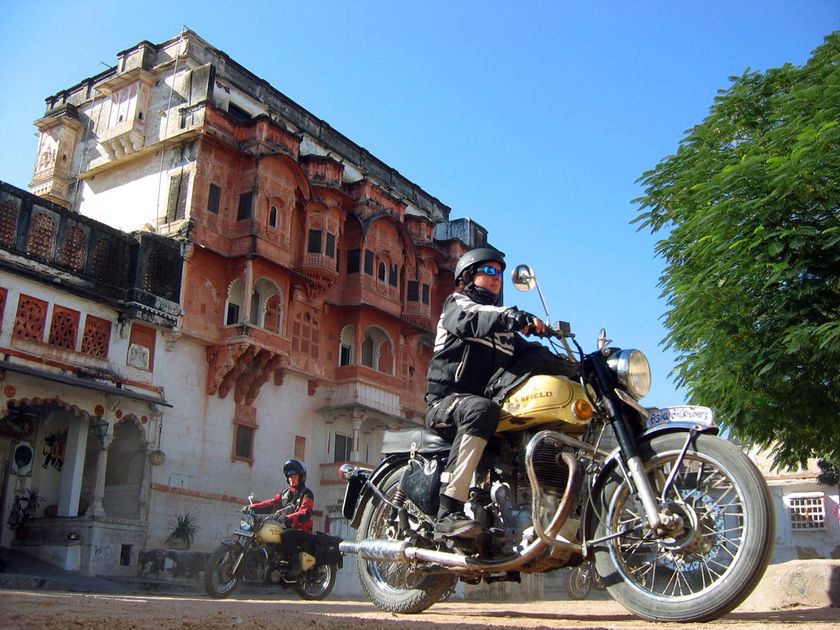
Motorradtour durch Rajasthan – Paläste, Wüste & indisches Chaos. Majestätische Festungen, endlose Wüstenstraßen und lebendige Basare machen diese Motorradreise durch Indiens königlichen Bundesstaat zu einem unvergesslichen Abenteuer. Ein wilder Mix aus Kultur, Chaos und Farben – Rajasthan erobert Herzen.
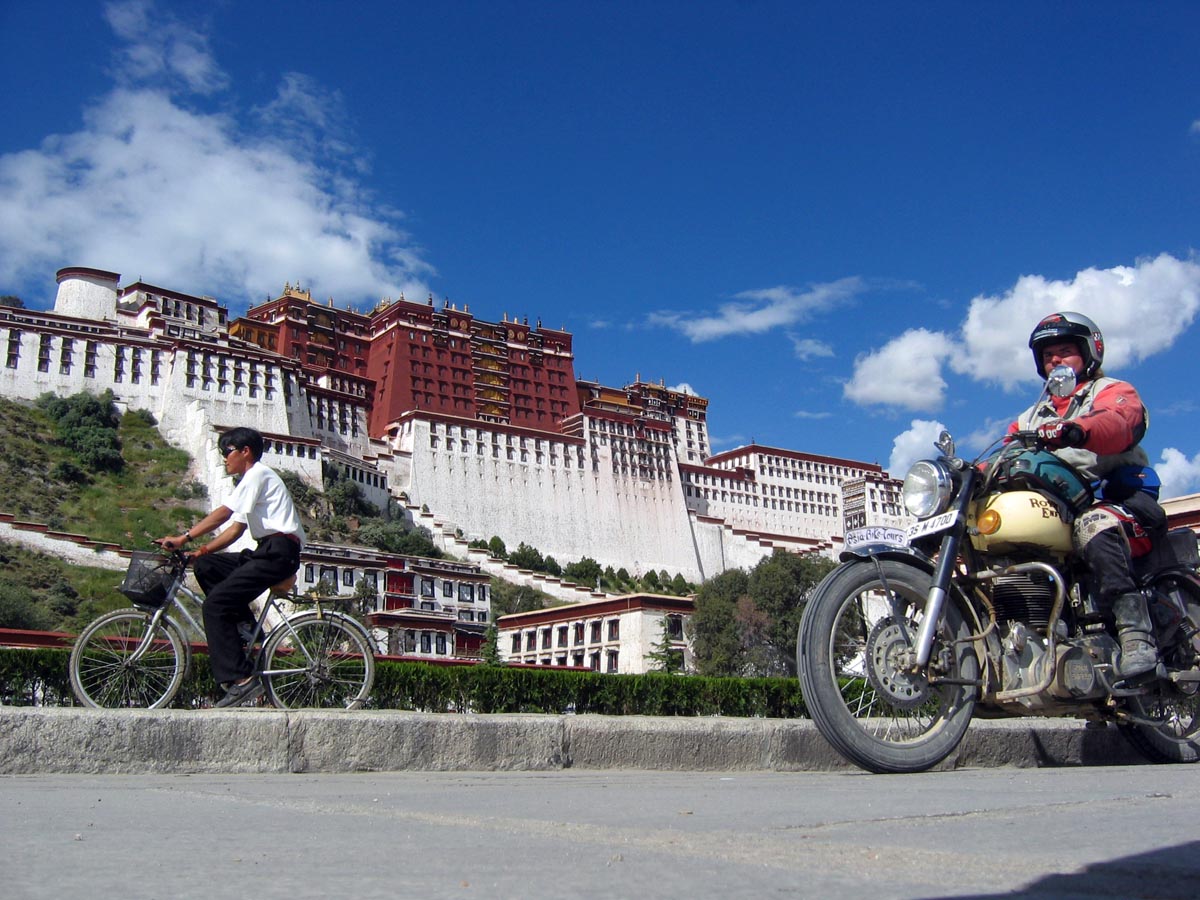
This one-of-a-kind Tibet journey takes you from Chengdu through Lhasa all the way to Mount Everest Base Camp – with spiritual highlights like the Potala Palace, Jokhang Temple, and turquoise lakes such as Yamdrok-Tso. At elevations above 4,500 m (14,700 ft), you'll experience an intense mix of high-mountain scenery, living Tibetan Buddhism, and real motorcycle adventure in the heart of the Himalayas.
.jpeg)
Kirgistan fasziniert mit unberührten Hochgebirgen, weiten Sommerweiden und echter Nomadenkultur. Unsere Route führt auf abwechslungsreichen Naturpisten durch das Tien-Shan-Gebirge bis zum Song-Köl-See – mit Übernachtungen in Jurten, Begegnungen mit Reiternomaden und der herzlichen Gastfreundschaft Zentralasiens.
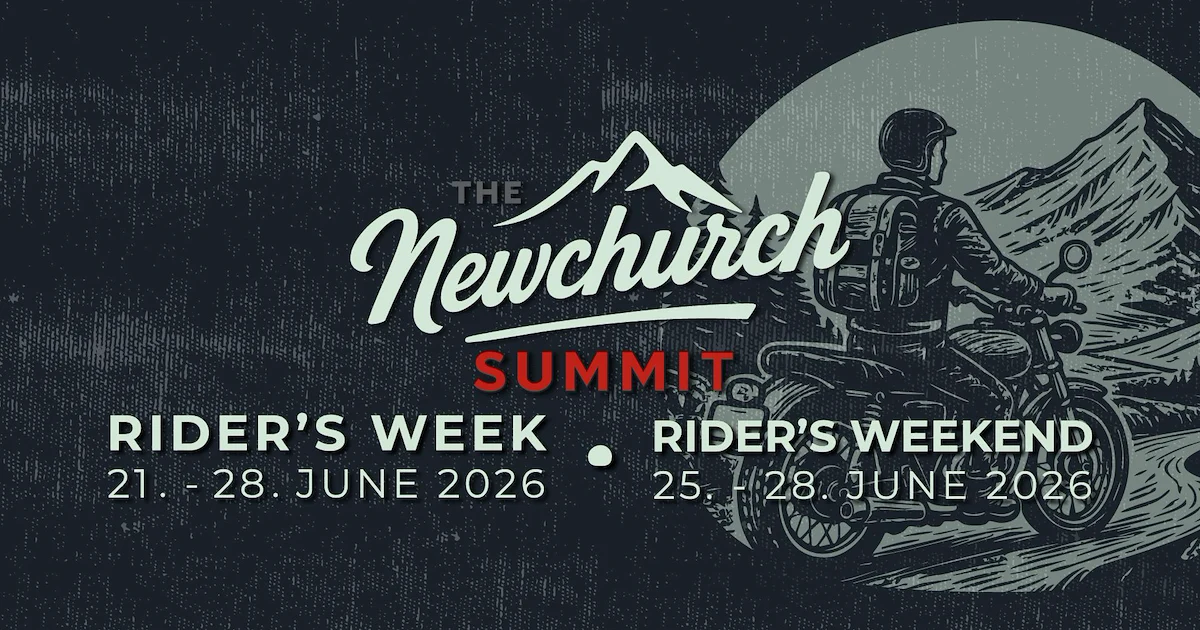
Nicht nur auf der Straße. Auch beim New Church Summit 2026
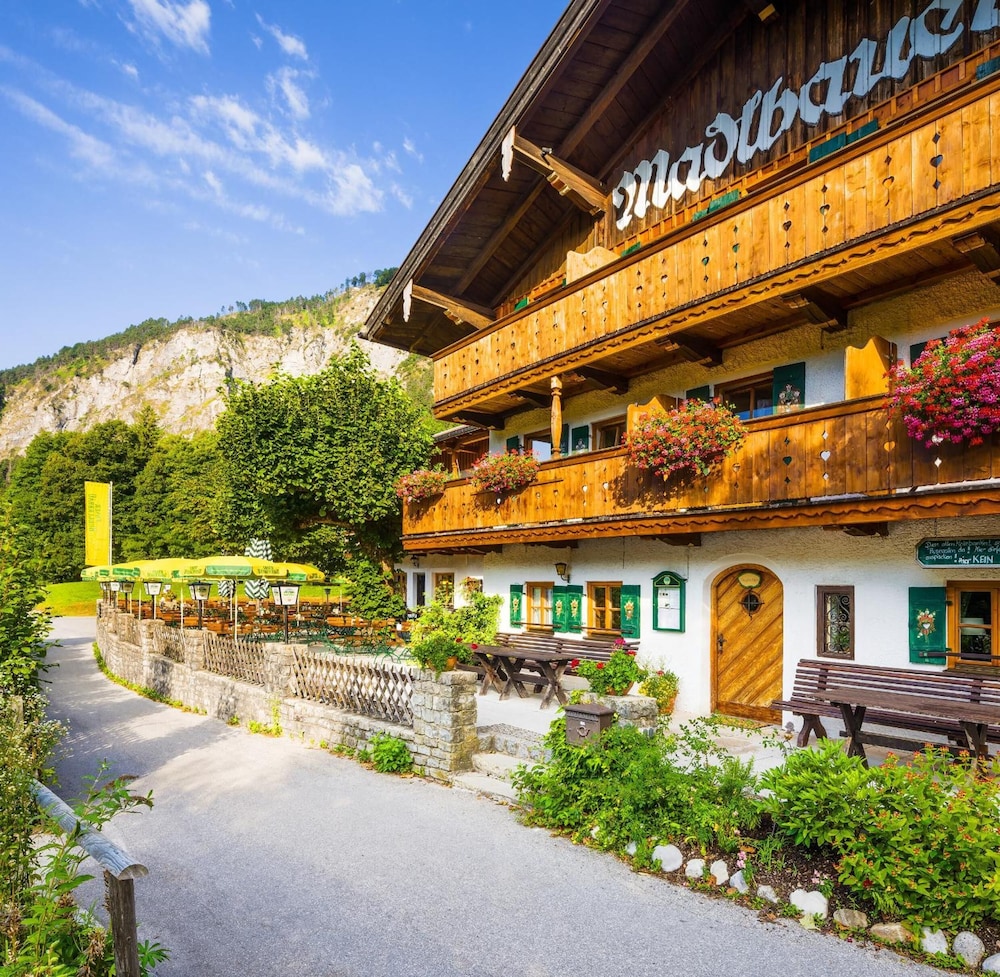
ABT Community Fest 2026 – Wir feiern mit euch! Gemeinsam mit euch, unseren treuen Rider*innen & Supportern, laden wir ein zu einem besonderen Tag voller Geschichten, Begegnungen & Bergblick – am Alpengasthof Madlbauer bei Bad Reichenhall. Stay tuned für Datum & Anmeldung!