
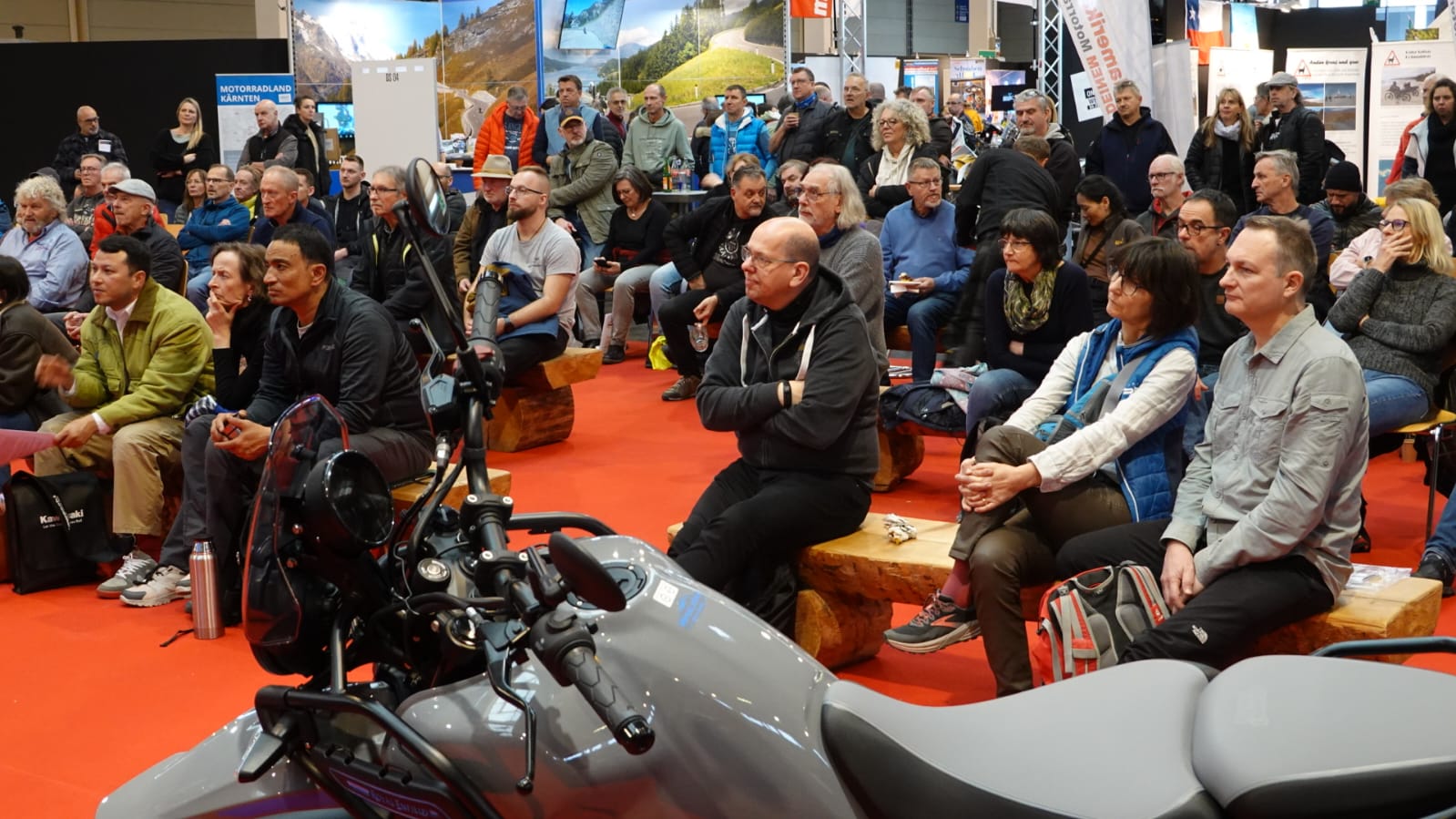
Asia Bike Tours at the 40th Gurkentreff 2026 🏍️ Motorcycle journeys from the Alps to the Himalayas 📍 Thumsee · May 30 · from 12:00 pm 🔥 Talks, stories & campfire
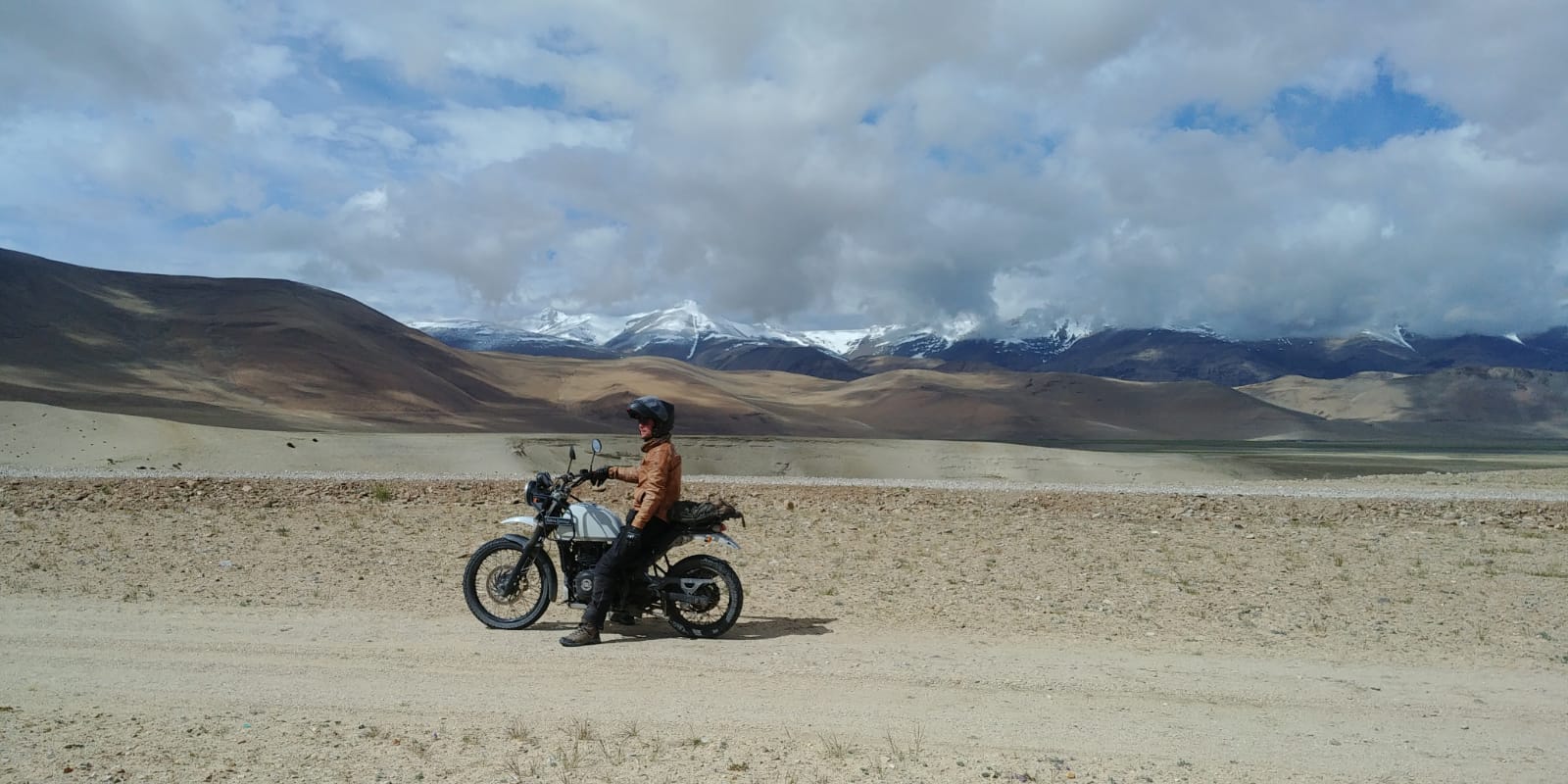
This 12-day Himalayan motorcycle tour is a newly designed journey of discovery through one of the most spectacular highland regions on Earth – Ladakh.
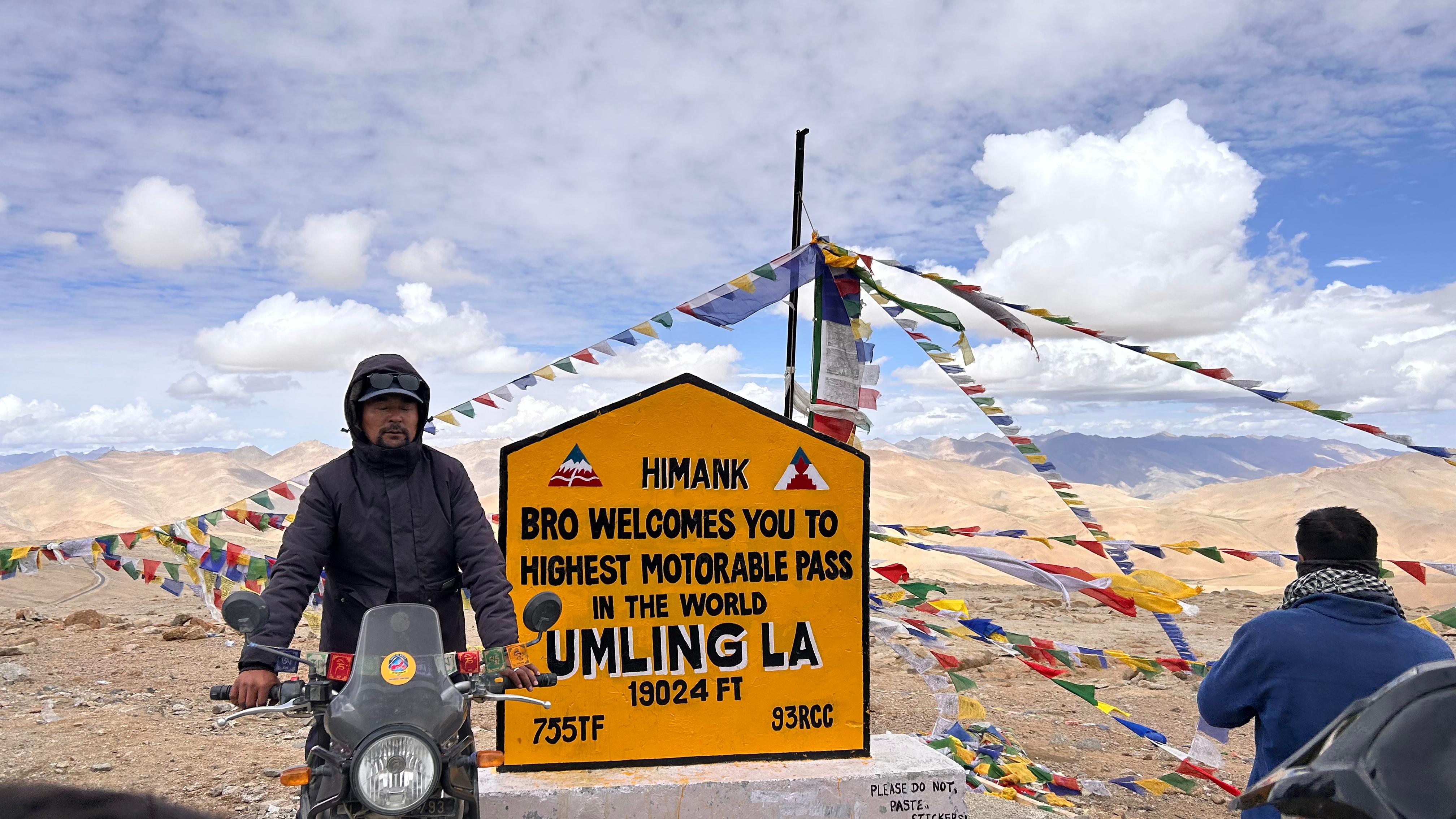
With a perfectly balanced mix of culture, adventure, and dramatic landscapes, we explore hidden monasteries, remote side valleys, vast high-altitude plateaus, and some of the highest mountain passes in the world – including the legendary Umling La, often referred to as the highest motorable pass on the planet.
Our journey begins with a flight from Delhi to Leh, where we acclimatize in a beautiful hotel in the Indus Valley. The first riding days take us to panoramic viewpoints overlooking the Stok Kangri range, into the lush oasis of Alchi, and across two unnamed mountain passes near Hemis Shukpachen – an ideal introduction for gradual altitude adaptation.
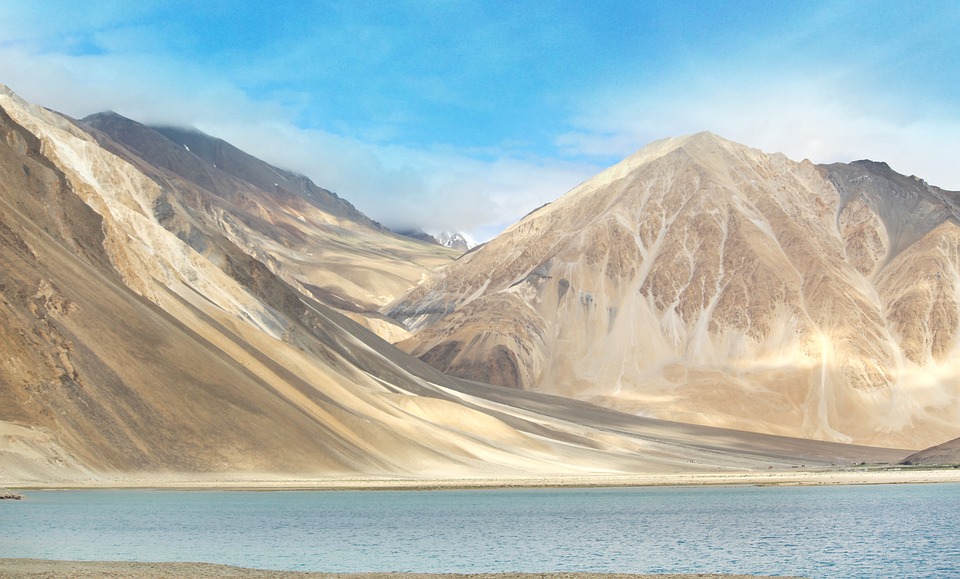
We then cross the famous Khardung La Pass into the Nubra Valley before following a spectacular route along the Shyok Gorge to reach the turquoise waters of Pangong Lake. From there, the route continues into the remote region of Hanle, passing endless high-altitude plains and isolated monasteries. The undisputed highlight of this Ladakh motorcycle adventure – and a true test of spirit and endurance – is the ascent to Umling La at an awe-inspiring altitude of 5,798 meters.
After a final riding stage through the Indus Valley, we enjoy the peaceful comfort of a beautiful hotel in Sakti. Those who wish to stay active can opt for an additional ride up to the Wari La Pass or return to Leh for shopping and exploration. The return flight to Delhi marks the end of this remarkable motorcycle journey to the highest motorable pass in the world.
INDIA / Ladakh - Umling La & the highest Passes in the World / June 2026
This tour shows you unexplored areas of the Indian Himalayas. Spectacular roads, high passes, and breathtaking landscapes await us. This journey also involves pioneering work, as we will drive on the newly opened Umging La Pass (5799 meters) and the new road to the Zanskar Valley.
INDIA / Ladakh - Umling La & the highest Passes in the World / August 2026
This tour shows you unexplored areas of the Indian Himalayas. Spectacular roads, high passes, and breathtaking landscapes await us. This journey also involves pioneering work, as we will drive on the newly opened Umging La Pass (5799 meters).
INDIEN / Ladakh – Umling La & the Highest Passes in the World/ Juni 2027
This tour leads through remote and little-explored regions of the Indian Himalayas. Spectacular roads, high mountain passes, and breathtaking landscapes await along the way. The journey also has a true pioneering spirit: it includes a ride over the recently opened Umling La Pass (5,799 m).
INDIEN / Ladakh – Umling La & the Highest Passes in the World/ Juni 2027
This tour leads through remote and little-explored regions of the Indian Himalayas. Spectacular roads, high mountain passes, and breathtaking landscapes await along the way. The journey also has a true pioneering spirit: it includes a ride over the recently opened Umling La Pass (5,799 m).
Yes. You must carry an international driving permit along with your national driving license. It’s not always checked, but you’ll need it if you’re stopped.
We expect to spend around five hours driving each day. The distance covered depends on the route chosen; on average, it will be between 100 and 200 km daily. Occasionally, we may drive less than 100 km, and sometimes more—always depending on what road conditions allow. The state of the roads is often more decisive than the actual distance traveled.
We generally start early enough to allow for an afternoon buffer. This ensures that, even in the event of unexpected delays, we can arrive before nightfall, as we generally avoid driving after dark.
Due to significant altitude changes and variable weather in the mountains, it’s important to be prepared for both warm and cold conditions. In the valleys, a pair of lightweight long pants and a light jacket are often enough in the evenings, while high mountain passes can bring brief periods of winter-like conditions. Quality gear is often hard to find locally, so it’s best to bring everything you need from the start.
Motorcycle gear:
Casual and everyday clothing:
Additional notes:
Packing list: All participants receive a detailed packing list with practical recommendations well before the tour begins.
Yes. Upon arrival, there are stations at airports that offer SIM cards to tourists at acceptable prices. We recommend the providers Airtel and Jio. Be careful when it comes to offers on the street. A special feature in India is that not all SIM cards work nationwide. Prepaid SIM cards purchased in Delhi do not work in Ladakh. In Ladakh, the tour guide will be happy to help you organise a suitable local SIM card in Leh. WiFi is available in almost all accommodations.
Visa requirements may change at any time. Please always check the most up-to-date information on official government websites. The following details are provided for guidance only.
Citizens of most countries require a visa to enter India, which must be applied for online prior to travel. In addition, an e-Arrival Card is also required. Both can be obtained via the official website: https://indianvisaonline.gov.in/evisa/tvoa.html
If you wish to avoid the complexities of Indian bureaucracy, you may use the visa service offered by Asia Bike Tours. Simply send an email to office@asiabiketours.com.
A printed copy of the e-Visa must be presented upon arrival. Your passport must be valid for at least six months beyond the intended date of departure and must contain at least two blank pages. A confirmed return or onward travel ticket must be available. In rare cases, proof of sufficient financial means for the duration of the stay may also be required.
There is no general requirement to carry identification within India. For motorcycle riding, an international driving permit (in accordance with the 1949 Geneva Convention) is required in addition to your national driving license. Although it is rarely checked, it should be carried and available for inspection if needed.
Yes and no. India, with its culture, diverse landscapes, and vibrant colors, offers an abundance of fascinating photographic subjects. However, some basic rules should be observed:
India has very strict drone laws and is also one of the best organized countries when it comes to regulating drone use. The import of drones is severely restricted, including to protect local drone production. Drones brought along can be confiscated at customs upon arrival. Foreign drone pilots may only fly if they have received prior approval from the Wireless Planning and Coordination Wing (WPC) Department. Illegal drone flights can be punished with fines or confiscation of the drone. Tourists should be aware that a violation of drone laws in India can have serious consequences. The regulations are subject to constant change, and many drone videos posted on the Internet by tourists were presumably created illegally. However, this is by no means a recommendation to do the same. In India, flying drones without a permit is risky and illegal, and careless handling can result in significant penalties.
It is recommended to carry a mix of cash (USD or EUR), a credit card, and an ATM card (Visa and Mastercard are more widely accepted, while American Express and Diners are less common). Make sure your ATM card is activated for international use outside European countries—this is often referred to as “Geo Control” at your bank.
Card payments are not accepted everywhere, so having cash on hand is important. Only carry undamaged notes, as even slightly torn or marked bills are often refused. Smaller denominations are recommended for tips.
In larger towns, ATMs are generally available, but they are less common than in Europe. Cash can be changed at airports, hotels, and official exchange offices.
There have been isolated cases of ATM tampering and card data misuse. To minimize risk, use only ATMs located in secure, busy areas—such as inside banks or large hotels, or those recommended by our tour guide.
In India, no vaccinations are required for entry (apart from a yellow fever vaccination if entry is from a corresponding risk area).
Regardless of this, travel doctors often recommend several vaccinations for travel to India. These include in particular hepatitis A, often hepatitis B, and rabies vaccination, especially for longer stays and trips to rural areas. There are stray dogs in many regions and medical care is not immediately available.
In India, there is a certain risk of malaria all year round, which varies from region to region. Destinations over 2,000 m above sea level are considered malaria-free. Depending on the region, malaria prophylaxis could be recommended. Typhoid vaccination may be useful depending on the type of trip, length of stay and personal circumstances.
We recommend that you seek individual advice from a doctor experienced in travel medicine well in advance of the trip.
India offers a wide variety of souvenirs, often deeply rooted in regional handicrafts. Popular items include silk and other fabrics such as saris, dupattas, or scarves, often intricately embroidered or decorated with block printing and batik.
Silver jewelry with delicate patterns or semi-precious stones is also a classic choice. Tea from Darjeeling, Assam, or Nilgiri, as well as spices like cardamom, turmeric, or saffron, are popular keepsakes.
Other typical souvenirs include:
Markets in larger cities offer a wide selection of artisanal crafts and regional specialties, making it easy to find souvenirs that reflect the character and traditions of India.
The Royal Enfield Himalayan 450.
On request, the Himalayan 411 or the legendary Royal Enfield Bullet 500 (left shift, electric starter, front disc brake) are also available.
Use right hand: The left hand is considered unclean and should not be used to eat, shake, or give away objects.Restraint in public spaces: public affection between men and women (kissing, hugging, close body contact) is perceived as inappropriate.Appropriate clothing: In temples and rural areas, shoulders and knees should be covered; Shoes are taken off in religious cities. Respectful communication: Better avoid sensitive topics such as politics, religion, caste system or Pakistan. Photograph With care: photograph people, religious rituals and holy places only with permission; military facilities may not be photographed. Be careful in everyday life: do not drink tap water; avoid ice cream and unwashed food.Negotiate: Action is common on markets, but not when it comes to food or fixed prices. Observe laws: Drug possession and consumption are strictly prohibited and are severely punished.In principle, the following applies: Patience, respect and a friendly appearance — often accompanied by a smile — are the best way to welcome yourself to India to feel.